Artificial Intelligence and Machine Learning are revolutionizing manufacturing processes, enabling unprecedented levels of automation, efficiency, and quality control. Let's explore how these technologies are transforming the industry.
The AI Revolution in Manufacturing
The integration of AI and ML in manufacturing is creating what experts call "cognitive factories" - production facilities that can think, learn, and adapt. These smart factories are characterized by:
Predictive Maintenance
AI algorithms analyze sensor data to predict equipment failures before they occur, reducing downtime by up to 50%.
Quality Assurance
Machine learning models detect defects with 99.9% accuracy, surpassing traditional inspection methods.
Key Applications of AI in Manufacturing
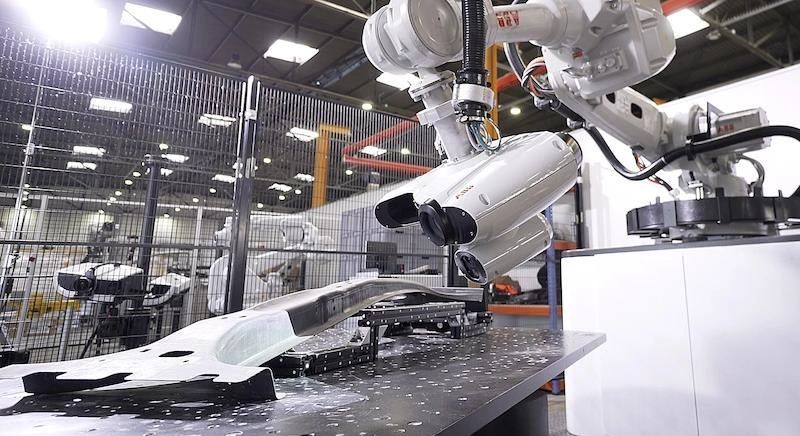
1. Computer Vision for Quality Control
Advanced computer vision systems powered by deep learning can:
- Detect microscopic defects in real-time
- Perform 360-degree product inspections
- Identify packaging errors
- Monitor assembly line accuracy

2. Predictive Analytics
Machine learning algorithms analyze vast amounts of sensor data to:
- Predict equipment maintenance needs
- Optimize production schedules
- Forecast inventory requirements
- Reduce energy consumption
"AI-driven predictive maintenance can reduce machine downtime by up to 50% and extend equipment life by 20-40%."
3. Process Optimization
AI systems continuously analyze and optimize manufacturing processes by:
- Adjusting production parameters in real-time
- Balancing resource utilization
- Minimizing waste and energy consumption
- Improving product quality consistency
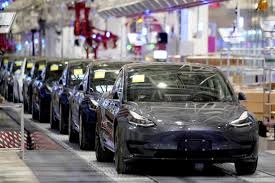
Case Study: Automotive Manufacturing
A leading automotive manufacturer implemented AI-powered quality control and achieved:
- 97% reduction in defect escape rate
- 30% decrease in quality control costs
- 25% improvement in production efficiency
Machine Learning Models in Production
Different types of machine learning models are used in manufacturing:
| Model Type | Application | Benefits |
|---|---|---|
| Supervised Learning | Quality prediction, defect classification | High accuracy in known scenarios |
| Unsupervised Learning | Anomaly detection, pattern recognition | Discovers hidden patterns |
| Reinforcement Learning | Robot control, process optimization | Adaptive decision-making |
Implementation Challenges
While the benefits are clear, implementing AI in manufacturing faces several challenges:
Data Quality
Ensuring clean, consistent, and properly labeled data for training AI models.
Integration
Connecting AI systems with existing machinery and software infrastructure.
Future Trends
The future of AI in manufacturing looks promising with emerging trends such as:
- Edge AI for real-time processing
- Digital twins for simulation and optimization
- Autonomous mobile robots (AMRs)
- Federated learning for distributed AI models
Key Takeaways
- AI and ML are transforming manufacturing through improved quality control and efficiency
- Predictive maintenance significantly reduces downtime and maintenance costs
- Computer vision systems enable superior quality control
- Future trends point toward more autonomous and intelligent manufacturing systems

About the Author
Sarah Li is an AI Solutions Architect at Shanghai SuperCTRL Automation Co. Ltd, specializing in implementing AI solutions for manufacturing processes. She has over 10 years of experience in industrial automation and artificial intelligence.