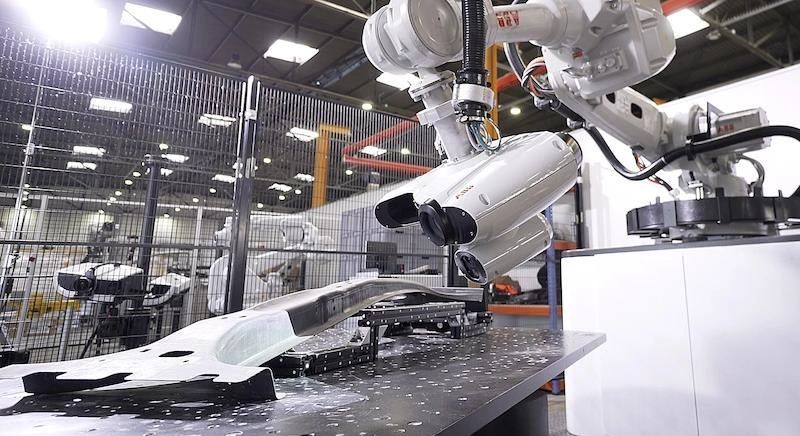
As industries face increasing pressure to reduce their carbon footprint and operating costs, energy efficiency has become a critical focus area. Modern automation technologies are playing a pivotal role in achieving these sustainability goals.
The Current State of Industrial Energy Consumption
Industrial processes account for approximately one-third of global energy consumption and CO2 emissions. With rising energy costs and stricter environmental regulations, optimizing energy usage is both an environmental necessity and a business imperative.
Critical Statistics
- 33% - Global Energy Used by Industry
- 25% - Average Energy Savings Potential
- 40% - CO2 Reduction Target by 2030
Smart Energy Management Systems
Modern industrial facilities are implementing intelligent energy management systems that leverage IoT sensors, real-time monitoring, and AI-driven analytics to optimize energy consumption. Key features include:
- Real-time energy consumption monitoring
- Predictive load balancing
- Automated peak demand management
- Equipment performance optimization
- Energy waste identification

Latest Technologies for Energy Optimization
1. Variable Speed Drives (VSDs)
Modern VSDs with advanced control algorithms can reduce motor energy consumption by up to 50%. Key benefits include:
- Precise speed control based on demand
- Soft start capabilities reducing mechanical stress
- Regenerative braking energy recovery
- Power factor improvement
2. Smart Power Distribution
Intelligent power distribution systems optimize energy flow and reduce losses through:
- Dynamic load sharing
- Power quality monitoring
- Automated power factor correction
- Smart grid integration
3. Heat Recovery Systems
Advanced heat recovery technologies can capture and repurpose waste heat:
- Process heat integration
- Thermal energy storage
- Combined heat and power systems
- Heat pump applications
Industry 4.0 and Energy Efficiency
The integration of Industry 4.0 technologies is revolutionizing energy management:
Digital Twins
Virtual models for energy optimization simulation and testing
AI & Machine Learning
Predictive analytics for energy usage optimization
Edge Computing
Real-time energy data processing and control
Blockchain
Transparent energy trading and carbon credit tracking
Implementation Strategy
A successful energy efficiency program requires a systematic approach:
- Energy Audit: Comprehensive assessment of current energy usage patterns
- Goal Setting: Establish realistic targets for energy reduction
- Technology Selection: Choose appropriate solutions based on ROI analysis
- Implementation: Phased deployment of selected technologies
- Monitoring: Continuous tracking of performance metrics
- Optimization: Regular system tuning based on collected data
Future Trends
Looking ahead, several emerging trends will shape industrial energy efficiency:
- Hydrogen integration in industrial processes
- Advanced energy storage solutions
- Quantum computing for complex optimization
- Microgrids and distributed energy resources
- Carbon capture and utilization technologies
Conclusion
Energy efficiency is no longer just about cost savings—it's a crucial component of sustainable industrial operations. By leveraging modern automation technologies and implementing comprehensive energy management strategies, industries can significantly reduce their energy consumption while improving productivity and environmental performance.

Dr. Sarah Chen
Industrial Energy Efficiency Expert