As industrial automation systems become increasingly connected, cybersecurity has emerged as a critical concern. Understanding and implementing robust security measures is essential for protecting your industrial operations.
Critical Statistics
- 47% increase in cyberattacks on industrial systems in 2024
- Average cost of a successful attack: $3.85 million
- 83% of industrial organizations experienced at least one security incident
Common Security Threats
Industrial automation systems face various cybersecurity threats:
Ransomware Attacks
Malicious software that encrypts critical systems and demands payment for restoration.
Data Breaches
Unauthorized access to sensitive operational data and intellectual property.
Supply Chain Attacks
Compromised third-party software or hardware components.
Social Engineering
Manipulating employees to gain unauthorized system access.
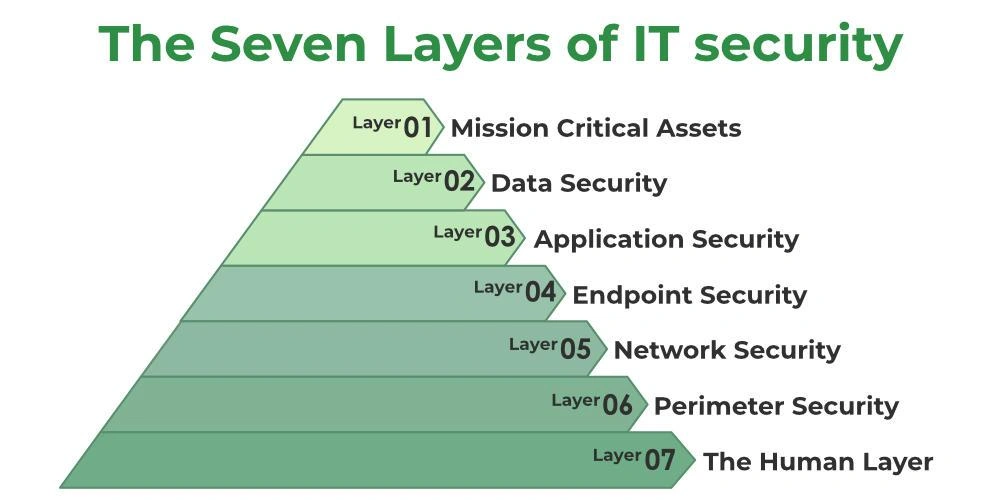
Defense-in-Depth Strategy
A comprehensive security approach requires multiple layers of protection:
1. Physical Security
- Access control systems
- Security cameras
- Biometric authentication
- Environmental monitoring
2. Network Security
- Network segmentation
- Firewalls and DMZs
- Encrypted communications
- VPN access
3. Application Security
- Regular security updates
- Application whitelisting
- Access control policies
- Security monitoring
"Security is not a product, but a process. It's about implementing multiple layers of protection and maintaining constant vigilance."
Best Practices for Industrial Cybersecurity
1. Regular Risk Assessments
Conduct comprehensive security audits to identify vulnerabilities and assess potential impacts.
2. Employee Training
Regular security awareness training for all personnel who interact with industrial systems.
3. Incident Response Plan
Develop and regularly test procedures for responding to security incidents.
4. Backup and Recovery
Maintain secure backups and test recovery procedures regularly.
Case Study: Manufacturing Plant Security Upgrade
A leading manufacturer implemented a comprehensive security program and achieved:
- 90% reduction in security incidents
- Zero ransomware infections in 2 years
- 50% faster incident response time
- Improved regulatory compliance
Emerging Security Technologies
New technologies are enhancing industrial cybersecurity:
| Technology | Application | Benefits |
|---|---|---|
| AI-based Security | Threat detection and response | Real-time threat identification |
| Blockchain | Supply chain security | Immutable audit trails |
| Zero Trust Architecture | Access control | Enhanced security posture |
Regulatory Compliance
Industrial cybersecurity must comply with various standards:
- IEC 62443 for industrial automation
- NIST Cybersecurity Framework
- ISO 27001 for information security
- Industry-specific regulations
Key Takeaways
- Implement a defense-in-depth security strategy
- Regular security assessments and updates are crucial
- Employee training is essential for security
- Stay current with emerging security technologies

About the Author
David Chen is the Chief Security Officer at Shanghai SuperCTRL Automation Co. Ltd. With over 15 years of experience in industrial cybersecurity, he has helped numerous organizations implement robust security programs.